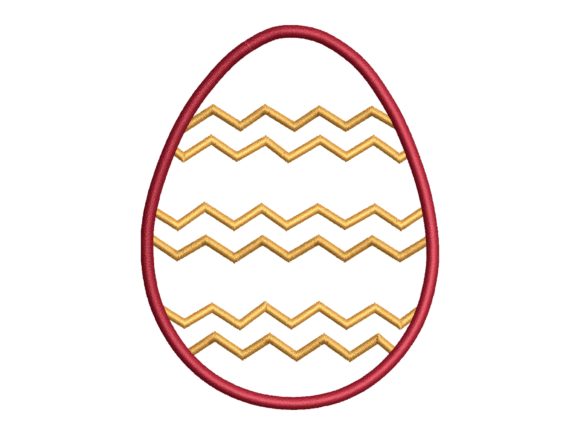
A Designer's Take on the Decorative Easter Egg Embroidery Design
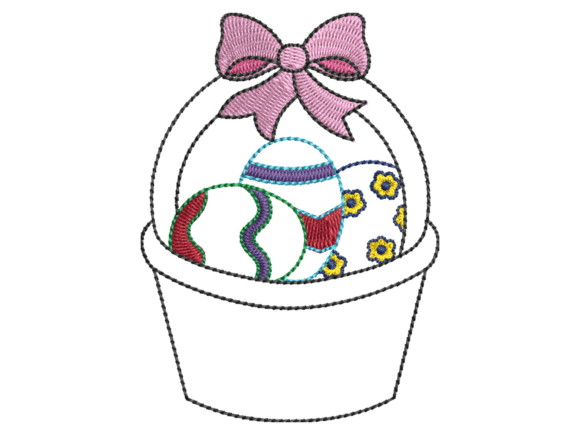
As a professional embroidery designer preparing for a weekend craft fair, my first question about any new file is simple: will it sell on a product? Let’s review the Decorative Easter Egg Embroidery file with that practical, sales-focused lens. Based purely on the title, this machine embroidery design leans into a festive, decorative, and likely whimsical aesthetic. It feels inherently seasonal and giftable, which is a strong starting point for any craft fair product.
First Impressions & Product Placement Strategy
The name suggests a design that is neither minimalist nor overly rustic. It likely has a “cute” or “festive” decorative charm. This is excellent for creating a cohesive booth theme around spring and Easter. When customers browse a table of handmade products—tote bags, aprons, tea towels, pillow covers, and small pouches—a clearly seasonal design like this acts as a visual anchor. It immediately communicates a specific occasion, which helps buyers who are shopping for gifts.
For maximum impact at a fair, I would position this as a small shop product on items that are both practical and celebratory. A beautifully embroidered tea towel or apron instantly feels “kitchen-ready” for spring gatherings. A tote bag with this design becomes a seasonal accessory. The Animals category hint suggests the egg design might incorporate charming animal motifs, which amplifies its appeal to a broader audience looking for something playful and sweet.
Evaluating Performance on Key Products
Your digital embroidery file needs to perform technically and visually on fabric. Here’s how I envision Decorative Easter Egg Embroidery across different mediums.
Tote Bags & Market Bags
This design could be a fantastic focal point on a tote. If the design has a balanced composition, it will look intentional and premium. I’d likely place it centrally on one side. For a tote bag design, ensure the stitch density is not so high that it stiffens the bag fabric, and always test on a scrap first.
Aprons & Kitchen Towels
These are top sellers for seasonal motifs. Apron embroidery on a pocket or hem, or tea towel embroidery in a corner, makes for a perfect, affordable gift. The textured surface of a towel can affect clarity, so a design with clean outlines and good contrast will fare best.
Caps & Patches
Applying this to a curved cap surface requires careful stabilizer choice and possibly scaling. Smaller, intricate details might get lost. As an embroidered patch, however, this design could be incredibly versatile—customers could apply it to anything. Patches also allow you to offer a lower-price-point item at your booth.
Pillow Covers & Small Pouches
For home decor like pillow covers, this design adds a soft, festive touch. On a small fabric pouch, it becomes a decorative accent that elevates a simple item into a gift. These products showcase the handmade quality effectively.
Practical Production & Selling Considerations
Turning a file into a profitable finished product requires forethought.
Visual Clarity & Batch Production
Does the design communicate “Easter egg” at a glance? That instant recognition is vital on a crowded craft fair table. If it’s complex with tiny details or small lettering, it may lose impact when scaled down for a tea towel corner. Conversely, if it’s too simple, it might not feel substantial enough for a large pillow. You must test the design on scrap fabric at various sizes to find its sweet spot.
For batch production, the design should be efficiently stitchable without excessive thread changes or overly dense areas that slow down the machine. A repeatable, reliable stitch pattern is key for preparing inventory for a fair.
Photography & Online Sales
For Etsy sellers and online listings, this design needs to photograph well. Designs with good contrast and clean edges look sharper in product photos. Creating at least one real physical mockup is non-negotiable—it informs your photography and helps customers visualize the handmade product better than a printable mockup alone.
Fabric & Thread Choices
Always check thread contrast against your fabric colors. A pastel egg design on a dark fabric might require a light-colored base fabric or careful thread selection to pop. Consider how it will look on classic spring colors: whites, creams, light blues, and soft yellows. The right stabilizer for each fabric texture is crucial to prevent puckering, especially on items like towels or caps.
Critical Advice Before You Stitch
Before you commit this design to a dozen tote bags, do your due diligence. The product description states it's a digital embroidery file delivered in ZIP or RAR format, but crucial details for production are not listed.
You must confirm hoop size requirements by opening the file in your software. Does it fit a common hoop size you use? Inspect stitch density in the file preview; overly dense areas can cause issues on thicker fabrics. Most importantly, confirm commercial licensing before selling finished products. The description mentions no returns, but it does not explicitly grant commercial embroidery rights. Always verify this with the designer or distributor.
Finally, compare fabric colors with the intended thread palette. A real-world test stitch on your chosen fair product fabric—say, a cotton canvas for a tote—will reveal everything: thread coverage, design size suitability, and final visual appeal.
Final Judgment: Booth Strength & Customer Engagement
In a bustling handmade market, Decorative Easter Egg Embroidery has the potential to draw attention through its thematic clarity. It can enhance product value by turning a utilitarian item into a seasonal specialty. For brand consistency, if your shop leans into festive or decorative styles, this design fits seamlessly.
Its success hinges on execution. A well-embroidered sample displayed prominently in your booth—on a crisp apron or a charming pillow—will engage buyers. It tells a story of spring and celebration, which facilitates a purchase. Conversely, if the design is poorly suited to the product fabric or scale, it will look amateurish.
My recommendation is to approach this as a promising seasonal asset. With careful testing and smart product pairing—likely focusing on kitchen linens, totes, and patches—this embroidery design can become a quick-turn, attractive offering that capitalizes on the holiday shopping impulse. It embodies the decorative, handmade charm that craft fair customers seek. Just remember: the file is a blueprint. Your skill in choosing the right products, fabrics, and techniques will determine its real-world selling power.