A Reverent Cross Embroidery Set for Handmade Markets
Prepping for a weekend craft fair, my first task is to sort through my design library and pick which files will become the physical products on my table. When the Religious Sacred Embroidery Design Set comes up, I pause. This isn't just another floral motif or cute animal; it’s a category with its own rules for selling and production. Let's review this set from a designer's practical perspective, focusing on what will actually work on a crowded market table.
First Impressions: Elegant & Reverent
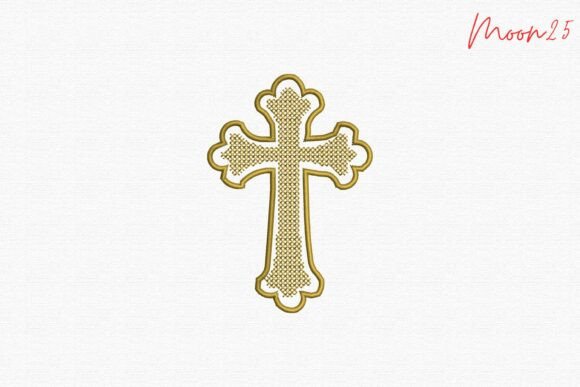
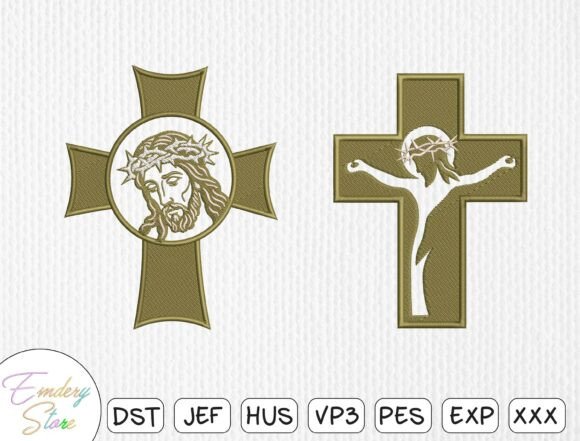
The description suggests a reverent collection with two distinct cross designs. Right away, I'm thinking elegant and decorative, not cute or rustic. A cross with a circular medallion implies a more formal, perhaps even premium, aesthetic. This is crucial for visual branding at your booth. Products featuring this design should feel thoughtful and well-made, aligning with the values of the Religion Faith category. For craft fair sellers, this means your display needs a touch of serenity—clean lines, maybe some linen or cotton fabrics—to let the design's inherent dignity shine.
Product Performance: Where This Design Stands Out
Not every embroidery design works on every product. This set needs a canvas that respects its symbolism.
Strong Candidates for High Visibility
- Tote Bags & Market Bags: A large, centered cross on a natural canvas tote creates a statement piece. It’s practical, giftable, and easily noticed from a few feet away.
- Pillow Covers: Perfect for a decorative, home-focused item. This adds perceived value and works beautifully as a handmade product for a boutique maker’s collection.
- Tea Towels & Aprons: Kitchen textiles are craft fair staples. A single, well-placed design on a linen tea towel or apron corner offers a subtle yet profound touch of faith in daily life.
- Embroidered Patches: This can be a versatile seller. Patches allow customers to apply the design to their own items. They’re also lower-cost items that can attract initial engagement at your booth.
Considerations & Careful Applications
- Caps: The curved surface can distort circular elements. Test carefully. A smaller version might work on the side, but clarity is key.
- Small Pouches & Accents: If the design has intricate details or small lettering within the medallion, scaling it down for a pouch might lose definition. Always check the minimum usable size.
- Dark Fabric: Thread contrast is paramount. You’ll likely need a bright white or metallic thread to ensure the design pops on dark backgrounds, which can be very striking.
Practical Selling & Production Points
Turning a digital embroidery file into a sellable craft fair product involves a cold, hard look at the logistics.
Clarity & Batch Production
The description mentions two distinct designs. This is excellent for variety without overwhelming your production. Customers like choice. Each design should be easy to understand at a glance—a clear symbol that communicates its purpose immediately across a busy fair aisle. For Etsy sellers and online listings, this visual clarity also photographs well. A simple, strong symbol against a clean fabric makes for a great product photo.
Is it repeatable? For batch production, like a run of twenty tote bags, a design with balanced stitch density is ideal. Extremely dense areas can wear machines and take too long per item. Check the file for large, solid filled areas that might require excessive stitching. The circular medallion in this Religious Sacred Embroidery Design Set could be such an area. Always test the design on scrap fabric first, using the same material you plan to sell (like cotton canvas for bags).
Texture & Technique
Fabric texture matters. On a rough, textured towel, the design needs enough stitch coverage to hold its shape. On a smooth pillow cover, finer details may show better. Never skip the stabilizer appropriate for your base fabric. For curved surfaces like caps, or thick fabrics like some bag materials, a firm stabilizer is non-negotiable to prevent puckering and maintain that reverent, clean look.
Designer Notes for a Successful Booth
My final checklist before committing this design to my fair inventory:
- Create a Real Mockup: Before any batch, make one finished product. An actual embroidered pillow or tote bag tells you more than any screen preview.
- Check Thread Contrast: Compare several thread colors against your planned fabric colors. Does a gold thread work better than white for a premium feel? Test.
- Review Spacing & Hoop Size: Confirm the design fits comfortably within a standard hoop size for your target products. Awkward sizing slows production.
- Inspect Stitch Density: Run the file. Listen to your machine. Long, dense stitch sequences might mean fewer products per day.
- Confirm Commercial Licensing: The product description doesn’t specify license terms. As a small shop product seller, you must verify that your use for commercial embroidery and selling finished goods is permitted by the designer of the file.
- Plan Your Booth Display: How will these items catch eyes? Group them together to create a thematic zone. A dedicated “faith-inspired” section on your table can attract the right customers immediately.
The Final Value: Attention, Quality, & Engagement
Ultimately, the Religious Sacred Embroidery Design Set affects your table in three key ways. First, visual appeal: It offers a dignified aesthetic that can elevate the perceived quality of your entire booth. Second, customer attention: It serves a specific audience, drawing in buyers looking for meaningful, not just decorative, items. This focused engagement is powerful. Third, product value: When executed well on appropriate, quality materials, this design can support a higher price point, reflecting the care and symbolism imbued in the handmade product.
For the creative entrepreneur, this set is a tool. Its success depends not just on the file itself, but on your thoughtful application. Choose your products wisely, produce with care, and display with respect. That’s how a machine embroidery design becomes a standout, sellable story at your next craft fair.