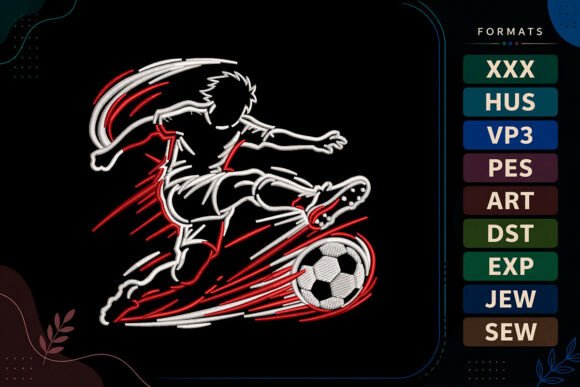
A Sporty, Dynamic Soccer Player Embroidery Design
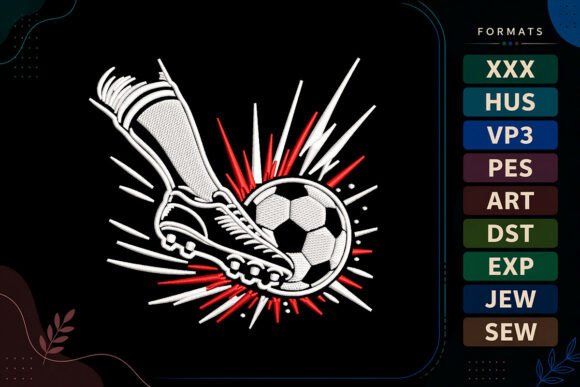
When you first open the Soccer Player Football Sports embroidery design, you get a sense of energy. It’s not a static pose; it’s that moment of action just as the player connects with the ball, the motion lines adding that sprint of speed. The mood is upbeat and competitive, perfect for anyone who loves the game. The layout is clean and focused—the athlete is the clear centerpiece, with enough detail to feel realistic but not so overly complicated that it becomes a stitching nightmare on smaller items. This is a design with a strong visual personality: sporty, dynamic, and universally recognizable.
Where This Design Finds Its Home
This design feels destined for custom apparel. I immediately pictured it on the left chest of a youth team sweatshirt, or as a larger back piece on a practice jersey. It has that classic sports appeal. But its versatility shines beyond the field. Think of a father-and-son matching set of embroidered caps, or a simple tote bag for carrying gear to the weekend game. For a craft business focusing on personalized gifts, this could be a standout item on a baby blanket for a soccer-loving family, or a cute, smaller version on a child’s hoodie. The theme is specific, but the application is broad—from Etsy listings for fan merchandise to small shop product like aprons for the team coach or tea towels for a sports-themed kitchen.
As a digital embroidery file, it’s a solid design asset. It would work beautifully in printable mockups for an online store, showing customers exactly how it could look on a polo shirt or a backpack. For commercial embroidery projects, like a local soccer club ordering patches for volunteers, the clarity of the figure would ensure good recognition and a professional look.
The Practical Stitching Considerations
Now, let’s walk through a real scenario. Imagine you’re preparing a custom embroidered tote bag as a holiday gift for a soccer coach. You’ve chosen a sturdy canvas fabric. The design’s motion lines and the ball itself are likely areas of fill stitch or satin stitch. On a textured fabric like canvas, you’ll want to use a good stabilizer to keep those areas crisp and prevent puckering. The overall stitch density appears moderate, which is a good sign for a bag that will see use and washing—it shouldn’t become overly stiff or heavy.
However, this is where your experience as a designer comes in. There are places where Soccer Player Football Sports should be used carefully. If you’re thinking of putting it on a baby embroidery item, like a delicate knit sweater, you’d need to scale it down significantly. Those detailed corners on the shoes and the shaping of the leg might get lost or become too dense on a very small hoop size. Similarly, on dark fabric, the contrast of thread colors is critical; you’d need to test whether the intended colors pop or if a slight adjustment to lighter shades is needed for the same effect.
Stretchy fabric like on a standard t-shirt requires extra stabilization and possibly a lighter stitch density version to maintain comfort. And on curved surfaces like caps, the design’s relatively wide stance might need careful positioning to fit the curved panel without distortion. It’s always wise to stitch it out on scrap fabric first, especially if you’re planning a batch of items for your craft business.
Turning a Design Into a Valued Product
The true test of an embroidery file is how it elevates the finished product. When this soccer player is stitched out cleanly, it boosts visual appeal immediately. The sense of motion makes it feel premium and thoughtful, not generic. That translates directly to product value and customer trust—they see a clean, recognizable design with good stitching clarity. For a handmade presentation, this matters immensely. It looks intentional and professional.
For giftability, it’s a winner. A personalized team jacket with this design, or a nursery pillow cover for a newborn whose parents are fans, has instant meaning. It creates a connection. That engagement is what makes a product sell in a Etsy seller’s shop or at a craft fair. It also aids brand consistency if you, as a maker, specialize in sports-themed items—your customers know what to expect from your quality and style.
A Designer’s Final Notes Before You Hoop It
Before you run this Soccer Player Football Sports design for a client project or your own small shop product, make a simple checklist. First, test the design on scrap fabric first, ideally in both a light and dark version of your final material. This reveals any issues with thread color contrast or stitch density on your specific machine. Second, review the small details in the preview. Are the motion lines distinct? Will they read well at your intended size? Third, confirm the hoop size needed. While I can’t give you exact dimensions from the description, you must check this in your software to ensure it fits your project—whether it’s a large sweatshirt back or a tiny embroidered patch.
Always use the proper stabilizer for your fabric texture. A design like this, with its dynamic elements, deserves a stable foundation. And crucially, check whether the design works for both personal and commercial projects. The product description didn’t specify license terms, so you must confirm licensing before selling finished items or digital products. This is a fundamental step for any creative entrepreneur using a digital embroidery file.
Used thoughtfully, this Soccer Player Football Sports design can become a go-to in your library for sports-themed requests. It captures the spirit of the game in a way that stitches out well and resonates with customers. It’s a practical, energetic choice for your next embroidery project.