Cute Fluffy Duck Flower Bouquet Embroidery Review
As a professional embroidery designer preparing my lineup for a weekend craft fair, every new pattern needs to prove its worth. It's not just about whether a design is cute; it's about whether it can become a product that sells, looks beautiful in person, and is practical to produce in batches. Today, I'm reviewing the Cute Fluffy Duck Flower Bouquet embroidery design, and I’m imagining it already stitched out on my table display of tote bags, aprons, and pillow covers.
First Impression: Playful Charm That Stands Out
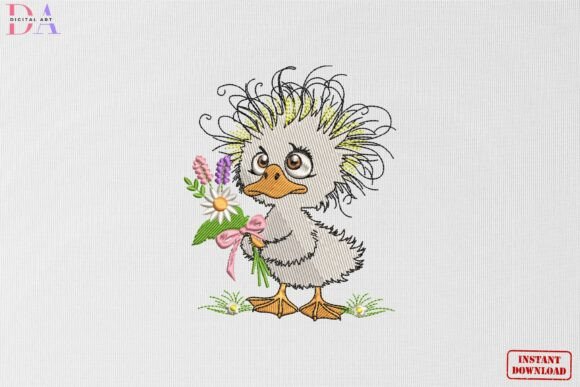
The immediate vibe of the Cute Fluffy Duck Flower Bouquet is playful and charming. The combination of a fluffy duck with a flower bouquet leans heavily into a cute, farmhouse aesthetic that has proven popularity at handmade markets. It’s not overly rustic or minimalist; it’s decorative and full of personality. This feels like a design that would draw a smile from a customer walking past my booth, especially those looking for gifts that feel light-hearted and joyful.
For craft fair sellers and Etsy sellers, this first impression is crucial. A design that communicates its mood instantly—like this one does with its “funny fluffy duck” description—has a higher chance of stopping browsers and turning them into buyers.
Product Performance: Where This Design Will Shine
Let’s translate this embroidery file into real-world handmade products. Based on its style, here’s where I believe the Cute Fluffy Duck Flower Bouquet would perform best.
On items like tea towel embroidery or apron embroidery, this design becomes a fantastic kitchen accent. The farm animals theme feels natural here, adding a touch of whimsy to a practical item. For a craft fair product display, a tea towel with this design would be an easy, affordable entry point for customers.
As a focal point on a tote bag or market bag, the design offers good visual weight. The duck and bouquet create a balanced, central artwork that doesn’t feel sparse. This makes it a strong candidate for a tote bag design, especially on lighter canvas fabrics where the colors will pop.
I would also seriously consider it for a pillow cover. The playful, decorative nature lends itself to home accents that aren’t too seasonal, meaning it could sell year-round in a boutique or small shop.
One area to approach with caution is creating an embroidered patch. The design likely has dense stitch areas in the duck’s fluffy texture and the flower bouquet. On a patch, this high stitch density can make it stiff and less flexible to apply. It would need testing.
Attention-Grabbing Booth Placement
In a booth setup, I would place products featuring this design at eye-level on my table. Its charm is visual, so it needs to be seen easily. A small, embroidered pouch with the Cute Fluffy Duck Flower Bouquet could be a perfect grab-and-go item near the cash box, while a larger tote bag with it could anchor one end of the display.
Practical Production & Selling Points
Moving from a digital embroidery file to a finished product requires a practical eye. Here’s my assessment for production.
The design is easy to understand at a glance. There’s no tiny lettering or abstract elements—it’s a clear, fun scene. This is a huge advantage for both online listings and craft fair sales. Customers don’t need to study it; they get it immediately.
For photography in Etsy listings or for printable mockups, the design should photograph well due to its defined shapes and presumably good color contrast. I would recommend photographing it on a neutral background to let the duck and flowers be the star.
Is it repeatable for batch production? That depends on the hoop size and stitch count. If the design is efficiently sized and doesn’t use an excessive number of thread colors, it could be a good candidate for making several of the same product, like a run of tea towels. Always check the provided details for color counts before planning batches.
Careful-Use Notes for the Embroidery Crafter
Every design has its considerations. For the Cute Fluffy Duck Flower Bouquet, here are the points I’d test before committing to a product line.
- Fabric Texture: On textured towels or thick fabrics like denim, the finer details of the flowers might lose some clarity. A crisp, medium-weight cotton is likely its best home.
- Small Accent vs. Large Focal: I would not shrink this design down too much for a cap or a tiny patch. The duck’s fluffy details and the bouquet elements could become a muddy blob at very small sizes. Confirm the minimum recommended size from the digital embroidery file.
- Dark Fabric: If stitching on dark fabric, the thread color choices become paramount. The design needs light, bright threads to maintain its cheerful, cute mood. Always test on a scrap of your target dark fabric first.
- Curved Surfaces: Embroidering this on a curved cap surface requires careful stabilizer choice to prevent distortion, especially in those potentially dense areas.
Value, Appeal, and Brand Consistency
From a business perspective, this design affects several key areas.
Its visual appeal directly boosts perceived product value. A well-executed, charming design like this on a tote bag makes that bag feel more special and handmade, supporting a slightly higher price point.
For customer attention at a bustling fair, it’s a winner. The farm animals category is universally approachable, and the cute factor has broad appeal across ages.
Regarding brand consistency, if your small shop product line leans towards playful, decorative, or farmhouse styles, the Cute Fluffy Duck Flower Bouquet fits seamlessly. It strengthens a cohesive booth display.
Finally, for buyer engagement, this design has a story. “A funny fluffy duck holding a flower bouquet” is a simple narrative a customer can share when giving it as a gift, which adds intangible value.
The Designer’s Final Checklist
Before I load this file and start producing items for commercial embroidery and sale, here is my personal checklist. I recommend every creative entrepreneur follow similar steps.
- Test the design on scrap fabric identical to your final product fabric.
- Check thread contrast thoroughly, especially if deviating from the suggested color palette.
- Review spacing and layout. Does it sit well on the product? Is it too close to an edge on a tea towel?
- Confirm the practical hoop size needed and that your machine can handle it efficiently.
- Inspect stitch density on the actual output. Are there any areas that are too thick or prone to puckering?
- Use the right stabilizer for your chosen fabric type. This is non-negotiable for professional results.
- Create at least one real mockup of your intended final product (e.g., a real tote bag, not just a digital image). See how it looks and feels in hand.
- Compare how it looks on different fabric colors—white, cream, light blue, etc.—to plan your product range.
- Most importantly: Confirm the commercial licensing terms of the embroidery file before selling any finished products. The description mentions “your embroidery collection,” but always verify the specifics.
The Cute Fluffy Duck Flower Bouquet embroidery design has the core ingredients for craft fair success: instant charm, clear theme, and adaptability to popular products. With careful production testing and a focus on showcasing it on the right items—like kitchen textiles and tote bags—it can become a reliable, engaging part of your handmade market offerings.