Perfectly Imperfect: A Modern Embroidery Designer's Review
As an embroidery designer who creates for customers and my own small shop, I’m always looking for designs that bring both style and reliability to real projects. I recently considered the Perfectly Imperfect embroidery design from Creative Fabrica for a custom apron order and a line of sweatshirts for my Etsy shop. This review is based on that practical evaluation, thinking through how it would perform from the hoop to the finished product.
First Impression: A Trendy, Intentional Mood
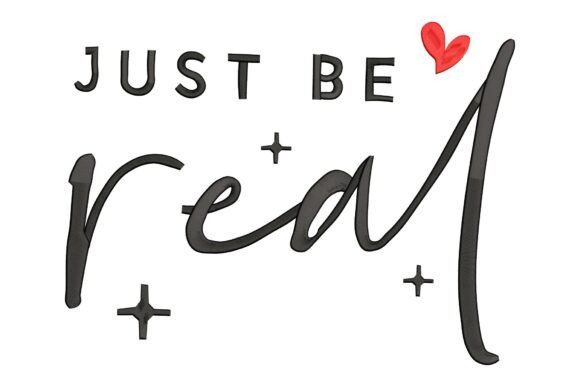
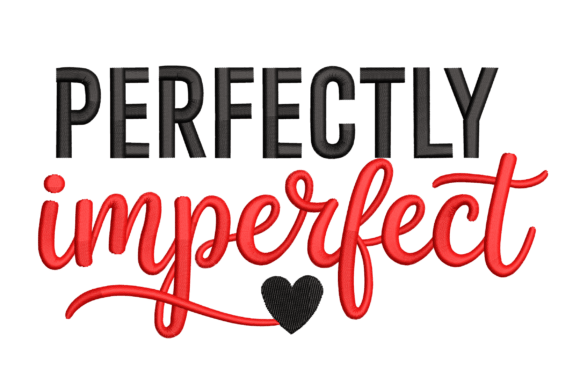
The visual mood of Perfectly Imperfect is immediately clear. It leans into that modern, handcrafted aesthetic that's so popular right now. It doesn’t feel like a rigid, perfect logo; it feels intentional and artistic. This is a key strength for handmade sellers and apparel decorators. When you’re selling a handmade product, the design itself should communicate that care and personality. For a decorative item like a pillow cover or a kitchen towel, it provides that fresh, eye-catching accent exactly as described.
Where Perfectly Imperfect Naturally Fits in Your Project Lineup
This isn't a design I'd use for a tiny, intricate patch. Its charm comes from its scale and statement. Based on its style, I envisioned it for:
- Apparel with presence: Adult-sized sweatshirts, tote bags, and aprons where the design can be centered and appreciated.
- Home decor with character: Pillow covers, especially for a nursery or modern living space, and decorative tea towels.
- Gift-ready items: Baby blankets and caps, where the perfectly imperfect sentiment adds a layer of warmth and meaning.
- Boutique merchandise: Items for craft fairs or small shops where visual appeal on the shelf drives sales.
The Inspirational category fits well. This design adds a conceptual layer, making the finished product feel more like a meaningful personalized gift than just decorated fabric.
Practical Performance on Real Fabrics & Products
Thinking about commercial embroidery or consistent production means thinking about details. Here’s where a careful review matters.
Considering Stitch Density and Fabric Types
Without specific stitch count info, the description suggests a modern embroidery design with likely areas of fill stitch and decorative outlines. For successful application:
- Test on scrap fabric first, especially the fabric you intend to use. This is non-negotiable.
- Check thread color contrast. On dark fabric like black sweatshirts, you may need a lighter or brighter palette to make the design pop. On light fabrics, it could work with softer tones.
- Review stitch density in your embroidery software. Dense stitch areas can be challenging on stretchy fabric like caps or on textured fabric like some towel weaves. Proper stabilizer choice will be crucial.
- Curved surfaces like caps require designs that can adapt. Examine the design's layout; if it's very wide or linear, it might not be ideal for a curved cap surface without adjustments.
The Importance of Hoop Size and Small Details
The product description doesn’t list a hoop size. Before purchasing or using it for a project, I would absolutely check the Creative Fabrica product page for this detail. For a design called Perfectly Imperfect, small, intricate lettering or tiny details could be present. You need to confirm hoop size compatibility with your project. A design meant for a 4x4 hoop might be perfect for a cap or a small patch, but if it requires a 6x10 hoop, it’s better suited for a tote bag or apron. Inspect any small details after a test stitch to ensure they are clean and not too fragile for items that need frequent washing.
Affecting Product Value and Customer Trust
Using a design like this isn't just about decoration; it's about building your product's story.
For Etsy listings and craft fair products, the unique, trendy feel of Perfectly Imperfect can elevate your item from generic to curated. It supports strong product photography because it has a clear visual mood. This aids customer engagement and can improve brand consistency if you use it across a line of products.
Giftability is high. An embroidered baby blanket with this phrase feels thoughtful. A custom apparel item like a sweatshirt becomes a statement piece. This directly affects perceived value and buyer trust—customers feel they are purchasing something special and handmade, not mass-produced.
For commercial embroidery clients, such as small businesses ordering branded aprons or towels, this design offers a modern alternative to stiff corporate logos, potentially increasing wearer satisfaction.
Essential Steps Before Selling Any Finished Item
Your reputation as a maker depends on quality. Here is your practical checklist:
- Confirm file details and licensing on the Creative Fabrica product page. Know exactly what embroidery file formats you’re getting and the license terms for selling finished products. Never assume.
- Run a complete test on your intended fabric with your intended thread colors and stabilizer. Compare light and dark fabric mockups in your software.
- Stitch the test. Examine every element, especially any potential satin stitch borders or running stitch details, for durability and clarity.
- If creating embroidered patches, ensure the design’s edges and density are suitable for cutting and applying.
- If using for digital product sellers creating printable mockups, ensure the design renders cleanly at the resolution needed for your design assets.
Final Verdict: Is Perfectly Imperfect Worth Using?
From a professional embroidery designer’s point of view, Perfectly Imperfect has strong potential for specific, mood-driven projects. It’s not a universal, all-purpose design. Its value lies in its contemporary, intentional aesthetic that aligns perfectly with today’s market for meaningful, handmade goods.
It is likely a worthwhile Creative Fabrica embroidery download if your project lineup includes statement home decor, personalized gifts, or apparel where a trendy phrase enhances the product. Its success will hinge entirely on your due diligence: testing, verifying technical details like hoop size, and ensuring its stitch structure matches your fabric choice.
For real customer orders—like that custom apron or a set of boutique pillow covers—it could be the element that turns a simple item into a conversation piece. Approach it not as just an embroidery file, but as a design component that adds story and style to your finished product. That’s where its real worth is found.