A Practical Review of the Ornamental Damask Butterfly Embroidery
When a new embroidery file lands in my library, my first question isn't about its technical specs. It’s about its character—the mood it carries and the practical reality of stitching it out for a real client or product. Let’s talk about the Ornamental Damask Butterfly Embroidery. The name alone conjures an image of intricate beauty, but the true test is how it translates from screen to stitches.
The Immediate Visual Personality: Baroque Luxury Meets Nature
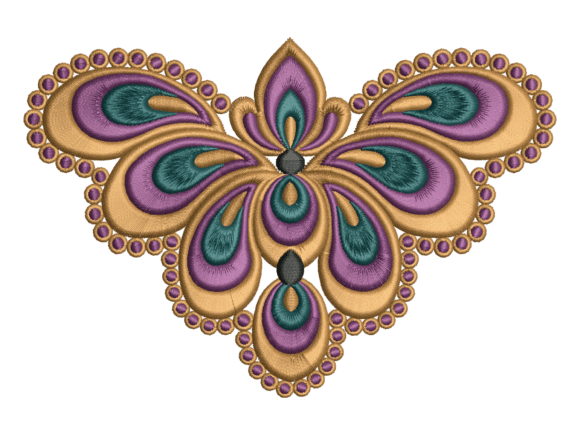
Opening this design, you’re greeted not by a simple insect but by a regal emblem. It feels more like a crest than a casual bug motif. The damask patterns woven into the butterfly's wings give it a formal, ornate personality. This isn't a whimsical garden butterfly; it's a statement piece. It naturally evokes feelings of sophistication, luxury, and heritage. For an embroidery designer, that tells me this isn't for everyday casual wear. Its visual weight and detail level point it towards projects where you want to communicate value and careful craftsmanship.
The Natural Habitat for This Emblem
So, where does this design belong? In my workshop, I picture it stitched onto a high-quality linen pillow cover for a boutique home decor line, or as a stunning centerpiece on a custom wedding gift tote bag. It would elevate a simple apron into a special, personalized chef’s gift. For a small shop owner, this embroidery design could become a signature element on a limited-edition sweatshirt, attracting customers looking for something uniquely elegant.
I would hesitate to use it on thin, stretchy fabrics like a standard t-shirt. The likely density and intricate detail could overwhelm the fabric structure and feel stiff. It shines on stable, quality substrates: canvas tote bags, denim jackets, tea towels, or as a standalone embroidered patch to be applied to a blanket or nursery decor item. The baroque nature makes it a perfect candidate for holiday gifts or wedding presents where the recipient appreciates ornate detail.
A Real Case: Crafting a Boutique Tote Bag
Imagine you’re preparing a custom tote bag for a client’s boutique. You want the product to look luxurious in photos and in hand. The Ornamental Damask Butterfly Embroidery, positioned centrally, would immediately elevate the bag’s perceived value. A customer browsing an Etsy listing or seeing it at a craft fair would recognize the effort and artistry. It moves the item from “handmade” to “artisanal.” That distinction is crucial for engagement and pricing in a craft business.
Performance Considerations for Real Stitching
Here’s where practical judgment comes in. The description suggests a “high-impact baroque emblem,” which typically means considerable detail and potentially higher stitch counts. Before running this on a final project, my standard advice is absolute:
- Test on scrap fabric first, using the exact material and stabilizer you plan for the final product.
- Review thread color contrast. This design, with its damask patterns, will need good contrast against the background fabric to show its intricacy. Test it in both light and dark fabric mockups, even digitally in black and white, to see how the details hold up.
- Pay close attention to the small details in the wings and any ornamental corners. On a curved surface like a cap, these tiny areas might lose clarity.
- Because of its ornate nature, using a proper, robust stabilizer is non-negotiable to prevent puckering and maintain stitch definition, especially on apparel.
These steps protect your finished product’s quality and, ultimately, customer trust and your brand’s consistency.
Where to Use With Extra Care
Certain applications require a more cautious approach. For textured fabrics like some blankets, the fine damask lines might get lost. On baby clothes or items needing frequent washing, the density might feel too heavy and could affect fabric drape. If the design has very dense fill stitch areas, consider hoop size limitations—you’ll need a hoop large enough to accommodate the entire design comfortably for clean stitching.
For commercial embroidery projects or for Etsy sellers creating multiple units, a successful test run confirms the design’s reliability and stitching time, which affects your production flow and cost.
Impact on Your Business and Audience
Choosing a design like this isn't just a technical choice; it’s a branding and marketing choice. For digital product sellers offering the file itself, it’s a high-value design asset that appeals to crafters looking for premium motifs. For makers selling finished products, it enhances giftability and professionalism. It tells a story of luxury and attention to detail, which resonates with a specific buyer.
However, its niche personality means it won’t fit every project. It’s not a generic, all-purpose bugs and insects motif. Its strength is its specificity. That’s actually a benefit: it helps you carve out a distinct style in a crowded market.
Final Designer Notes Before You Hoop It
My final thoughts as a reviewer are these practical reminders:
- Always, always confirm the licensing terms of the embroidery file before selling any finished items or incorporating it into commercial products. This is fundamental for creative entrepreneurs.
- Assess the design’s scale for your intended product. A large tote bag can carry this emblem beautifully; a small baby bib likely cannot.
- Consider the thread palette. An ornate design often benefits from a limited, classic color scheme—metallics, deep blues, creams—to enhance its regal mood.
- Remember, the best digital embroidery file is only as good as its real-world execution. The Ornamental Damask Butterfly Embroidery has the potential for stunning results, but its success hinges on your thoughtful preparation and understanding of its character.
Approach it not just as an embroidery design, but as a component of your product’s story. With that mindset, you’ll find the perfect project for this intricate, majestic butterfly, and it will truly infuse your work with that intended sense of luxury and craft.