Blue Butterfly: A Design Worth Hooping Up
When a new embroidery file lands in my library, my first question is always a practical one: will this design hold up in the real world? Not just on a test scrap, but on a client's custom sweatshirt, a boutique's bestselling tote, or a gift that's meant to be cherished. Today, I'm looking at the Blue Butterfly embroidery design, and I'm thinking through exactly where it shines and where a careful hand is needed.
The First Impression: Vivid Personality for a Purpose
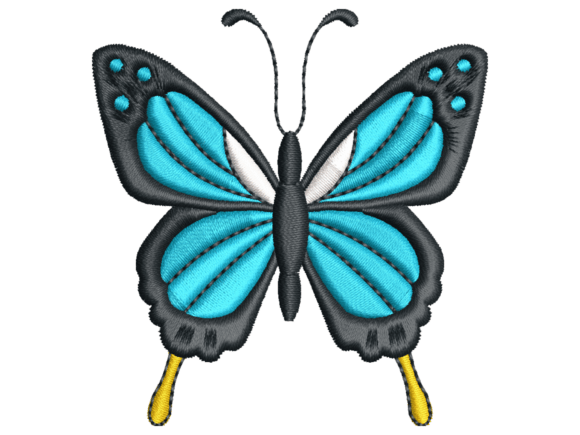
This isn't a shy, abstract butterfly. Its monarch-style silhouette and that bold turquoise suggestion immediately create a mood. It’s eye-catching, friendly, and carries a touch of classic nature appeal. The shape is well-defined, which is crucial for clean stitching, and the layout feels balanced—it’s clearly meant to be a centerpiece. For a designer, this tells me it belongs on projects where the embroidery is the star. Think of a statement piece: the focal point on a pillow cover, the main art on a tea towel, or the singular flourish on a baby blanket's corner. It has a visual personality that leans towards giftability and cheerful branding.
Where This Butterfly Flies Highest
Let’s picture a real scenario. I’m preparing a custom embroidered tote bag for a small shop client who sells garden-themed goods. This blue butterfly design isn't just a generic bug; it’s a vivid, recognizable emblem. On natural canvas, that turquoise will pop, suggesting clear skies and fresh growth. The high-density detail mentioned suggests solid fill stitches, which translates to a premium look on finished products—something customers instinctively associate with higher value and craftsmanship.
This kind of design excels on:
- Apparel decor like sweatshirts and t-shirts where a single, bold motif is preferred.
- Home goods such as pillow covers and kitchen towels that benefit from a clean, central graphic.
- Boutique merchandise for small businesses, especially those with nature, wellness, or baby themes (nursery decor comes to mind).
- Personalized gifts like wedding or holiday presents, where the classic butterfly shape feels timeless and special.
- Craft business items for Etsy sellers or craft fair products; it's a design that photographs well for mockups and listings, grabbing buyer engagement.
The Careful Considerations: Fabric and Scale
Confidence in design comes from knowing its limits. That "high-density" description is my cue to be thoughtful. Dense stitch areas can be beautiful, but they require more attention to execution.
I would use this design carefully on:
- Very small hoop sizes. If the design is scaled down significantly, those dense details might become muddy or cause puckering.
- Textured or stretchy fabrics like certain knits without the right stabilizer. A butterfly needs a smooth, stable flight path.
- Dark fabric backgrounds without thorough testing. That vibrant turquoise concept needs thread colors with strong contrast to maintain its brilliance.
- Curved surfaces like caps unless the file is specifically adapted for such contours. The wings' span might not lay flat.
- Products needing frequent washing, such as baby clothes. High density, if too extreme, can affect fabric drape and durability over many washes.
The goal is to preserve that stitching clarity and professional finish that builds customer trust.
A Designer's Practical Notes Before You Stitch
My process for a design like this is always methodical. First, I’d run it on scrap fabric identical to my final project material. This checks for puckering, tests my chosen thread colors against the actual background, and lets me review the stitch density firsthand. I’d inspect the small details—the antennae, wing outlines—to ensure they’ll be clear.
I also recommend testing the design concept in both light and dark fabric mockups, even simple black and white drawings, to judge its form independently of color. Always use the proper stabilizer for your specific fabric; it’s the foundation for a crisp finished product. Crucially, for commercial use, confirm the licensing terms of the digital embroidery file before selling any handmade products or using it in client work. The description notes it's premium, but the specifics are key for craft businesses and digital product sellers.
The Final Verdict: A Strong Asset for the Right Project
The Blue Butterfly embroidery design strikes me as a robust design asset. Its strong shape and central personality make it a versatile choice for enhancing visual appeal across many products. When stitched well on appropriate items, it elevates the perceived value of the piece, supports brand consistency for nature-themed shops, and has that instant recognition that makes gifts feel thoughtful.
For embroidery designers, apparel decorators, and creative entrepreneurs, it’s a file worth having in your toolkit. Its true worth, however, will be unlocked by your practical judgment: pairing it with the right fabric, the right scale, and the right project. Approach it with a tester’s mindset, and this butterfly will likely become a reliable, brilliant centerpiece for your work.