Adding a Sewing Corner Frame to Your Apparel Projects
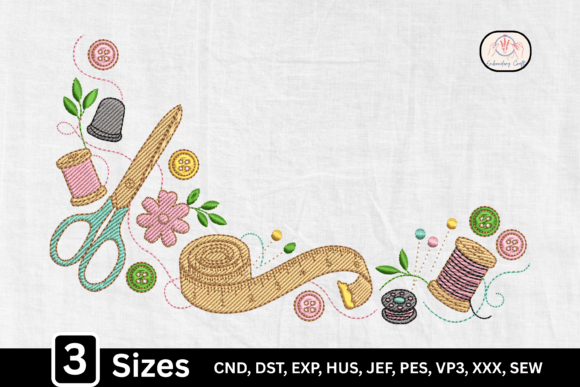
As an embroidery designer planning a new boutique sweatshirt collection, my first question is always: does a design bring both decorative value and commercial practicality? When browsing Creative Fabrica embroidery files, I look for pieces that translate beautifully onto fabric and resonate with customers. The Sewing Corner Sewing Tools design caught my eye immediately as a potential cornerstone for a range of handmade apparel.
The Visual Mood of a Sewing Corner Frame
This design has a distinct personality. It feels classic, charming, and slightly nostalgic, yet clean enough to feel contemporary. The border frame concept with its sewing tool motifs isn't overly feminine or rustic; it's simply crafty and sincere. For a boutique brand, this matters. It conveys a sense of care and handmade quality without shouting it. On a neutral cream sweatshirt, it would look premium and intentional. On a dark heather grey hoodie, it would pop with a clean, crisp contrast. The detail level is decorative but not overwhelmingly dense, which is a crucial balance for sweatshirt embroidery where stitch bulk can affect comfort.
Placing the Design on Apparel: From Chests to Backs
For my planned collection, placement is everything. Here’s where Sewing Corner Sewing Tools shows its flexibility.
Chest Placement on Hoodies and Sweatshirts
A standard left chest placement is a natural fit. The border frame creates a contained, professional focal point. On an oversized garment, this design would scale up beautifully for a more substantial statement on the chest or upper back. It’s important to consider the hoop size required—a larger version would be ideal for back designs on hoodies, creating a standout piece for lifestyle product photos and Etsy listings.
Sleeve Accents and Tote Bag Panels
For sleeve accents or the front panel of a canvas tote bag, this design offers a complete, self-contained graphic. It fills a space perfectly without needing additional elements. This visual consistency is key for building a brand identity across different products like sweatshirts, t-shirts, and accessories.
Considerations for Stretch Fabrics and Dark Garments
Any design with fine lines and potential small lettering demands careful application. On stretchy fleece or ribbed cuffs, you must use the correct stabilizer and test on scrap fabric first to prevent puckering. On dark apparel, thread color contrast becomes paramount. A bright white or pastel thread palette would make this design sing on black denim jackets or navy hoodies, enhancing that professional presentation.
How This Embroidery File Elevates Your Brand
Using a cohesive, well-executed design like Sewing Corner Sewing Tools across a product line does more than just decorate a garment. It builds buyer trust. Customers recognize a thoughtful, consistent visual theme. It signals that your shop invests in quality machine embroidery design work, which translates directly into perceived value. For small clothing brands, this can be the difference between a one-off purchase and a returning customer who engages with your brand story.
In social media graphics and printable mockups, a clean, recognizable embroidery graphic like this helps your products stand out. It’s a design that tells a small story—one of craftsmanship and creativity—which is exactly what customers of handmade apparel are seeking.
Practical Notes for the Professional Embroidery Designer
Before committing this design to a production run, I follow a strict checklist. First, I always review the original Creative Fabrica product details to confirm the exact embroidery file formats, the commercial license, and any included notes on stitch count or density. Never assume; always confirm the licensing before selling finished apparel.
Then, the hands-on tests begin:
- Test on a similar garment fabric: Use a spare piece of the sweatshirt fleece or hoodie cotton you plan to use.
- Check stabilizer choice: For plush fabrics, a sturdy cutaway might be necessary for this framed design.
- Review thread color contrast: Experiment with palettes. A monochrome scheme on pastel hoodies could be subtle and trendy, while bold colors on neutral garments could be playful.
- Compare placement options: Physically hoop the test fabric and mark different placements to see how the design interacts with seams, pockets, and garment curves.
- Inspect stitch density: Run a test and feel the finished area. Is it too stiff for a comfortable sweatshirt? Could it be simplified by omitting certain thread colors if needed?
These steps are non-negotiable. They turn a charming digital embroidery file into a reliable, high-quality component of your commercial embroidery products.
A Final Thought on Seasonal and Cozy Collections
Thinking ahead to seasonal lines, this design carries a cozy, year-round appeal. It’s not tied to a specific holiday but to the universal act of making. For a fall collection of cozy sweatshirts or spring lightweight hoodies, it fits perfectly. It’s a design that celebrates the process of creation, which aligns beautifully with the ethos of most handmade businesses and creative entrepreneurs.
In my judgment, Sewing Corner Sewing Tools from the Sewing Crafts category is a strong candidate for apparel decorators looking to add a meaningful, decorative touch. It’s a design that works hard for your brand: it looks professional, it tells a story, and it adapts across a range of garments. With proper testing and thoughtful application, it can become a signature element in your boutique’s story.